 Jökulsárlón Glacier
Is Jokulsarlon Worth It? An Honest Look

Is jokulsarlon worth it comes down to one thing: are you already driving the South Coast? Walking up costs nothing beyond ISK 1,000 for the car park, and you get Iceland's deepest lake with centuries-old ice drifting past your feet. Driving 370 km each way from Reykjavík for two hours here is a different question, and in July, with no ice caves and thin ice on the beach, the answer is closer to no than most guides will tell you.
Quick answer
Yes, if the lagoon fits into a South Coast trip you were making anyway, or if you can put half a day into a glacier hike or an ice cave while you are here. No, if it means a 14-hour round trip from Reykjavík in midsummer purely to look at water. The paid options run from 7,100 ISK for a 30-minute boat ride to $652 for a two-day trip, and the shoreline itself is free.
Key takeaways
- Costs nothing to visit: the lagoon and Diamond Beach are open at any hour, with ISK 1,000 for parking until midnight
- Best single reason to come: the 4.5-hour glacier hike at $134.10, the cheapest way onto Vatnajökull anywhere on this coast
- Biggest honest downside: 370 km each way from Reykjavík, and no boats at all from about December to April
- Skip it if you have one day in Iceland and no car. The coach day trip is 14 hours for about two at the lagoon
- Best window: November to March for ice caves and heavy ice on the beach, June to August for boats and kayaks
- It is Iceland's deepest lake at 284 m and did not exist before the 1930s, which is the part photographs cannot show you
The Short Answer
Worth it, with conditions
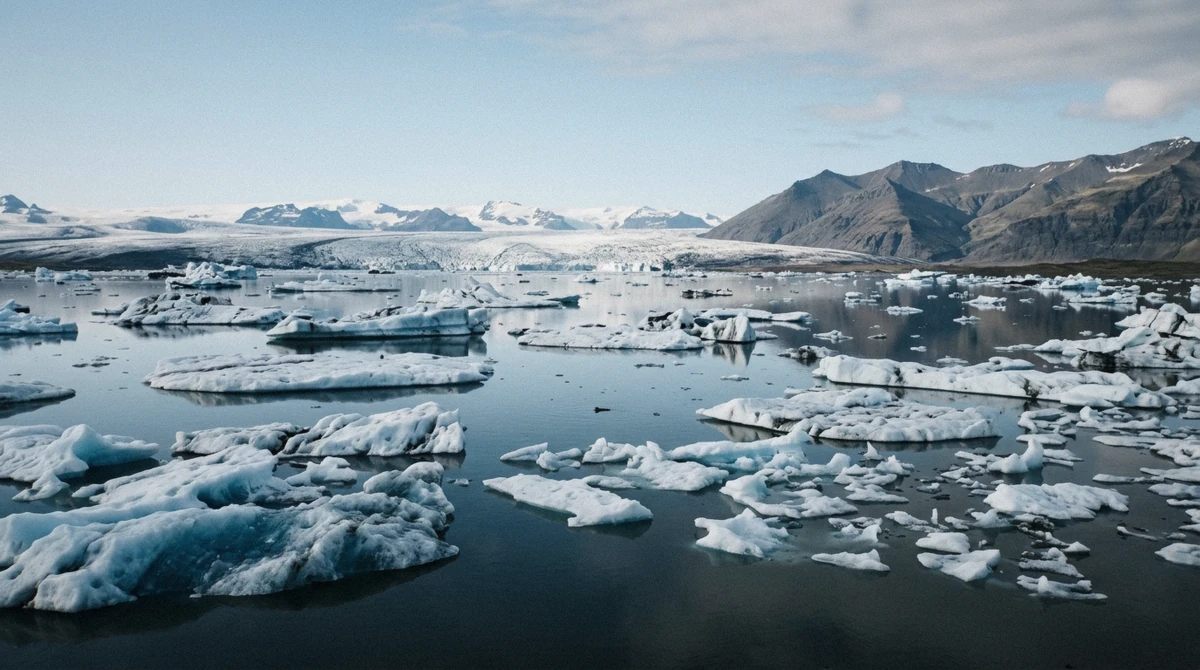
Jökulsárlón earns its reputation on a good day: icebergs the size of vans drifting on black water, seals working the outlet channel, the glacier front pale on the horizon. Reviewers repeatedly call it the highlight of an Iceland week, and the most-booked day tour holds 4.7 from 3,936 reviews, which is a lot of people agreeing about one stretch of water.
What it does not survive is being treated as a photo stop at the end of a five-hour drive. The visitors who come away flat are the ones who gave it forty minutes in the rain in July, and the ones who loved it either slept nearby or spent the day on the ice.
- Worth it if you are already driving the Ring Road or the South Coast and can arrive outside 10:00 to 16:00
- Worth it if you will spend half a day on the ice rather than only looking at it
- Worth it if you are here between November and March, when the caves are open and the beach is loaded with ice
When it is not
Three situations turn this into a long day for a modest payoff, and none of them is a failing of the place.
- Skip it if your only option is a 14-hour coach day from Reykjavík in midsummer, when there are no caves and little beach ice
- Skip it if the budget is tight and you have already booked a glacier or a boat elsewhere on the South Coast
- Skip it if you are travelling with small children who will spend ten hours in a seat for two hours of standing in wind
What It Actually Costs
Every price on one table
The lagoon has no gate. What you pay for is the boat, the ice, or somebody else doing the driving.
| Option | Typical price | Duration | Best for |
|---|---|---|---|
| Walking up | Free, plus ISK 1,000 parking | As long as you like | Anyone passing on Route 1 |
| Amphibian boat | from 7,100 ISK, about $58 | 30–40 minutes | Families, short stops, all ages |
| Zodiac | from 16,600 ISK, about $135 | 1 hour 15 minutes | Getting near the glacier front |
| Glacier hike | from $134.10 | 4.5 hours | The cheapest way onto the ice |
| Ice cave | from $195 | 2 to 6 hours | Winter only, November to March |
| Kayak | from $159.15 | 1.5 hours | Summer, water at eye level |
| Day trip from Reykjavík | from $232.96 | 14 hours | No car, one spare day |
| Two-day trip | from $639 | 2 days | Hotel night, ice included |
What most people actually spend
A typical independent visit lands between ISK 1,000 and about $200: parking, a boat ticket in summer or a glacier hike in any season, and soup at the café. The spread comes almost entirely from whether you buy time on the ice.
The cheapest genuinely good day here is the glacier hike at $134.10, and the best value for a family in summer is the amphibian boat, where under-6s go free. A full breakdown including fuel and beds sits in what a visit costs.
What You Get for the Money
The lagoon itself
We drive this stretch of Route 1 in every month of the year, and the thing that still lands is the noise. Ice cracks somewhere across the water, seals breathe when they surface, and meltwater runs off the bergs closest to the shore.
The lake is 284 m deep, the deepest in Iceland, and it did not exist before the 1930s. Standing at the outlet channel watching bergs the size of cars slide out toward the sea is the moment that justifies the drive for most people.
What a paid tour adds
The amphibian gets you 30–40 minutes among the bergs with a guide and a lump of thousand-year-old ice to taste. The Zodiac runs close to the calving front of Breiðamerkurjökull, which is the shot the shoreline cannot give you.
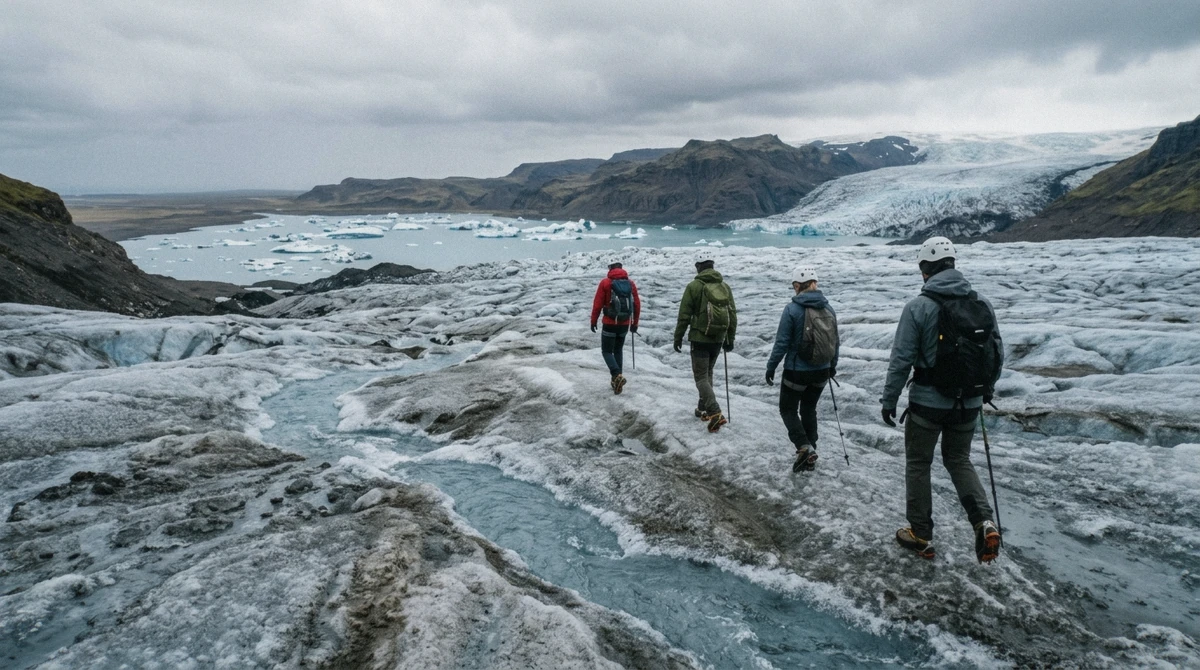
On the ice, a glacier hike puts crampons under you on the glacier that makes the icebergs, and includes the crampons, helmet and harness. Hiking boots with ankle support are yours to bring, or about 1,500 ISK to rent.
What you see without paying anything
The shore path along the lagoon, the outlet channel where the seals fish, and Fellsfjara across the bridge, where lagoon ice washes back onto black sand. Arctic terns nest behind the beach from May to August and dive at anyone near a nest.
None of that is a consolation prize. Plenty of visitors do exactly this and leave happy, which is the honest reason the paid options need to earn their price rather than assume it.
The Honest Downsides
The distance
370 km each way from Reykjavík, about five hours with the waterfall stops everyone makes. On a day trip that is ten hours in a vehicle for two hours here. Sleeping on the coast fixes it, and beds nearby start around $172 a night.
Winter closes the water
No amphibian and no Zodiac from about December to April. If a boat ride is the picture in your head, a February visit will not deliver it, and nothing else on site replaces it.
Ice caves fail more often than people expect
Caves flood after rain or a warm spell, and guides swap in a glacier hike or a crevasse walk. It is handled well and refunds are offered, but a cave is never a guaranteed booking.
Crowds, in a narrow window
Coaches fill the car park from 10:00 to 16:00 in summer. Arriving at 08:00 or after 18:00 changes the place completely, and costs nothing extra since parking runs until midnight.
Summer ice on the beach is thin
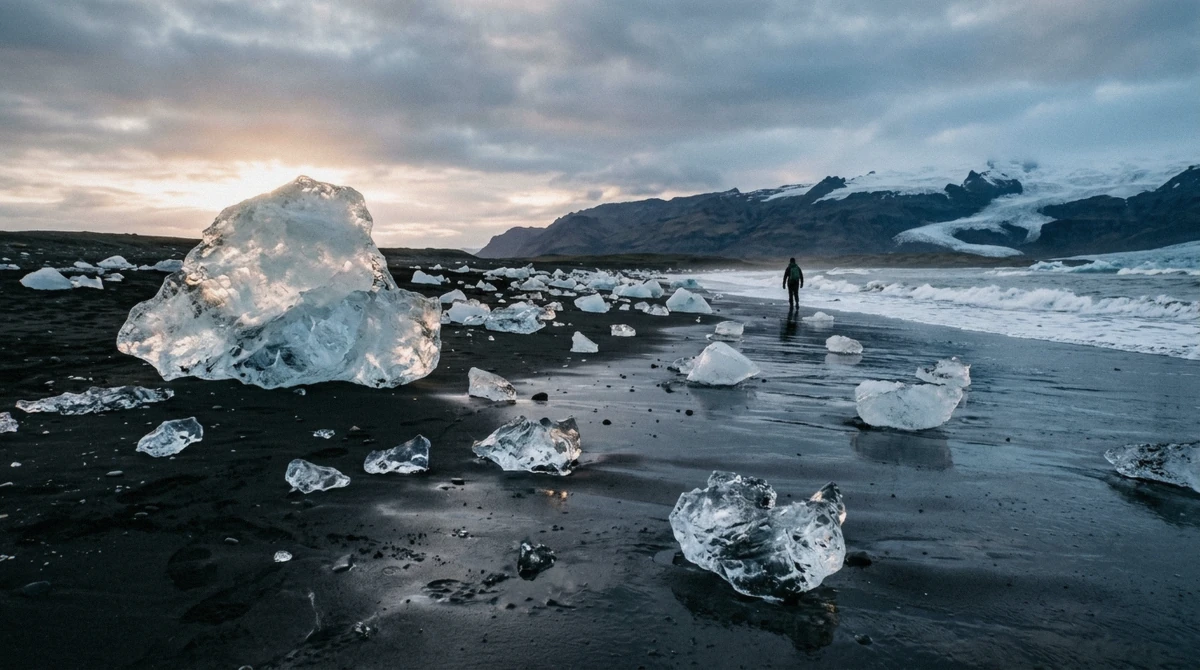
Diamond Beach in July can be black sand with a few melting lumps. The photographs that sold you the trip were taken between November and March, which the Diamond Beach guide sets out month by month.
Jökulsárlón Against the Alternatives
If you only have time for one glacier stop
Three places on the South Coast sell ice, and they are not equivalent. This is the comparison people actually need before deciding whether to drive the extra three hours east.
| Place | From Reykjavík | What you get | Hike from |
|---|---|---|---|
| Jökulsárlón | 370 km, 5 hours | Lagoon, icebergs, Diamond Beach, boats, caves | $134.10 |
| Sólheimajökull | 160 km, 2 hours | A glacier tongue you can walk on, no lagoon | Usually bundled in day tours |
| Skaftafell | 320 km, 4.5 hours | Park trails, Svartifoss, several glacier tongues | Separate operators |
| Fjallsárlón | 380 km, 5 hours | A quieter lagoon, Zodiac only, glacier wall close | No hikes from here |
Reading the table
Sólheimajökull wins on driving time and nothing else. Skaftafell wins if you want to walk more than one trail. Jökulsárlón is the only one of the four where you can see the ice, ride on the water and stand on the glacier that made it, which is why it takes the extra hours.
If you are choosing between the last two, the lagoon versus Fjallsárlón comparison on the main page settles it in a paragraph.
When It's Worth It Most
November to March
Peak ice on the beach, ice caves open, low sun all day and northern lights overhead on a clear night. The cost is a road that closes without notice and daylight that runs roughly 11:00 to 16:00 in December.
This is the version that makes people book a return trip.
June to August
Boats every half hour, kayaks running, light that never really goes. Less ice on the sand, more people in the car park, and every bed within an hour booked months ahead.
Best handled by arriving early or staying late, and by putting the money into water time rather than the drive.
September, October and the shoulder
The window we would pick: boats still running into autumn, ice returning to the beach, aurora season opening and the coach traffic thinning. Prices soften too.
Your Situation, Our Answer
If You have a rental car and a night booked on the South Coast
Go, and put half a day into a glacier hike or an ice cave. This is the version everyone raves about.
If You have one spare day in Reykjavík and no car, in June or July
Think twice. Fourteen hours of coach for two hours at the shore, with no ice caves running and thin ice on the beach.
If You have one spare day in Reykjavík and no car, in January
Go. The two-day trip is better still, because winter daylight will not stretch to the round trip.
If You are travelling with children under nine
Go for the amphibian boat at 7,100 ISK, where under-6s are free, and skip the ice tours: most set a floor around eight to ten years.
If You already have a glacier hike booked at Sólheimajökull or Skaftafell
Come for the lagoon and the beach only, and give it two hours rather than half a day.
If Photography is the point of your trip
Come in November to March, sleep within 30 minutes, and shoot the beach at first and last light rather than midday.
Who Should Skip It
Skip it if the drive is the whole trip
One free day and no car, in midsummer, means 14 hours of coach for a shoreline you will share with four other buses. Sólheimajökull and Reynisfjara are three hours closer and deliver more per hour of driving.
Skip it if you need certainty
Weather runs this place. Boats stop, caves flood, roads close. Travellers who need a fixed itinerary find the South Coast in winter frustrating, and the lagoon is where that shows up most.
Book it without hesitation if
You are driving the Ring Road, you have a night on this coast, or the ice itself is the reason you came to Iceland. Every one of those turns a long detour into the anchor of a trip.
How to Book Without Overpaying
Buy the boat at the lagoon
The amphibian and the Zodiac are sold by the operator on site, so packaged versions carry a premium for the convenience. At 7,100 ISK bought directly against $328 for a day tour that includes a 30-minute cruise, the gap is the coach, not the boat.
Book the ice, not the transport
Tours that meet at the lagoon car park run 8 to 12 people and cost less than the coach trips that carry 19. If you have a car, an ice cave at $195 or a hike at $134.10 buys a better day than any packaged version.
- Meet-on-location tours: smaller groups, lower prices
- One ISK 1,000 parking ticket covers the whole day, both car parks
- Free cancellation up to 24 hours before on everything listed on the main tours page
- Boot rental about 1,500 ISK if yours are soft-soled
Time the booking
Ice caves in December and January sell out weeks ahead because the daylight limits departures. Summer boats can usually be walked up to outside peak week, though groups of twelve or more are asked to contact the operator directly.
Everything else takes a day or two of notice.
Before you book, check these
Five things that decide whether the day works, all answerable in a minute.
- The season: boats May to November, caves November to March, hikes all year
- Your footwear: boots with ankle support, or budget about 1,500 ISK to rent
- Where you sleep the night before, especially between November and March
- road.is for the drive, on the morning itself
- Free cancellation to 24 hours before, so book early and decide later
Questions People Ask Before Booking
Is Jökulsárlón Glacier Lagoon worth it?
Yes if you are already on the South Coast or will spend half a day on the ice, no if it means a 14-hour round trip from Reykjavík in midsummer. Walking up is free apart from ISK 1,000 parking, so the real question is whether you buy time on the water or the glacier while you are here.
Is the Jökulsárlón boat tour worth it?
The amphibian at 7,100 ISK gives you 30–40 minutes among the bergs and works for all ages, which is good value for a family. The Zodiac at 16,600 ISK is worth the jump only if getting near the glacier front matters to you. Neither runs from about December to April.
How much time should I spend at Jökulsárlón?
Two hours covers the shore, the outlet channel and Diamond Beach. Half a day if you add a glacier hike, since the shortest runs 4.5 hours. Day-trippers from Reykjavík get about two hours after ten in a coach.
Which is better, Fjallsárlón or Jökulsárlón?
Jökulsárlón is bigger, busier and offers more, including Diamond Beach and both boat types. Fjallsárlón, 10 km west, is quieter with Zodiacs from about 11,300 ISK and a maximum of ten per boat. They are ten minutes apart, so most people who ask end up doing both.
Is it worth visiting in summer when there is less ice?
The lagoon is full of icebergs year-round because the glacier keeps calving; it is Diamond Beach that thins out in July. Summer also brings the boats and kayaks that winter takes away, so it is a different visit rather than a worse one.
Is it worth it in the rain?
Less so. The colours flatten, the wind off the ice cap bites, and the boats cancel in a strong blow. If your schedule allows, keep a spare day and take the better forecast, which is the single most useful piece of planning on this coast.